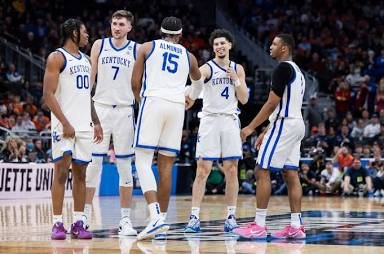
Something has changed inside the Kentucky Wildcats program, and it’s not showing up first in box scores or highlight reels. Ask the veterans around the locker room, and they’ll tell you the same thing: this season feels different — not louder, not flashier, just more connected.
Under first-year head coach Mark Pope, Kentucky’s identity is undergoing a subtle but meaningful transformation. Instead of relying solely on raw talent or individual star power, the Wildcats are leaning into a collective approach built on accountability, communication, and clearly defined roles. It’s a shift that longtime players say has already altered the tone of practices — and the way games are being won.
“This group understands why we’re doing things,” one returning veteran said. “It’s not just running plays. Everybody knows what’s expected of them.”
From Talent-Driven to Purpose-Driven
For years, Kentucky teams have been defined by elite recruiting classes and NBA-level athleticism. This season, the emphasis has moved toward execution and decision-making. Pope has preached spacing, ball movement, and defensive discipline — concepts that demand buy-in rather than individual freedom.
The result? Fewer forced shots, better shot selection, and a defense that communicates rather than reacts.
Coaches close to the program say Pope’s system places a premium on trust. Players are encouraged to make the right basketball play, even if it means giving up touches or stats. Veterans, in particular, have embraced the change.
“You don’t feel pressure to do everything yourself anymore,” another upperclassman noted. “You trust the guy next to you.”
Leadership That Looks Different
Leadership has also taken on a new shape. Instead of one dominant voice, Kentucky now operates with shared leadership — on the floor and off it. Practices are more player-driven, with veterans holding younger teammates accountable in real time.
That internal leadership has been noticeable during tight stretches of games. Rather than panicking or forcing momentum, Kentucky has shown patience — swinging the ball, setting solid screens, and defending without fouling.
Pope has pointed to this maturity as a sign of growth. “When players start solving problems themselves, that’s when you know the identity is taking hold,” he said recently.
Why Opponents Are Taking Notice
Scouts have quietly acknowledged that Kentucky is harder to game-plan for than expected. With multiple players capable of initiating offense and defending multiple positions, opponents can’t key in on a single weakness.
More importantly, Kentucky no longer beats itself.
Turnovers are down. Defensive rotations are cleaner. Late-game possessions look organized rather than improvised.
“It’s not just talent anymore,” one SEC assistant coach admitted. “They know who they are.”
A Season Defined by Substance
The Wildcats may not dominate headlines every night, but within the program, the belief is growing. Veterans say this version of Kentucky feels sustainable — not dependent on hot shooting nights or individual heroics.
And as the season progresses, that quiet identity shift could become the loudest storyline of all.
“This feels like a team,” a veteran said. “Not just a roster.”
Leave a Reply